

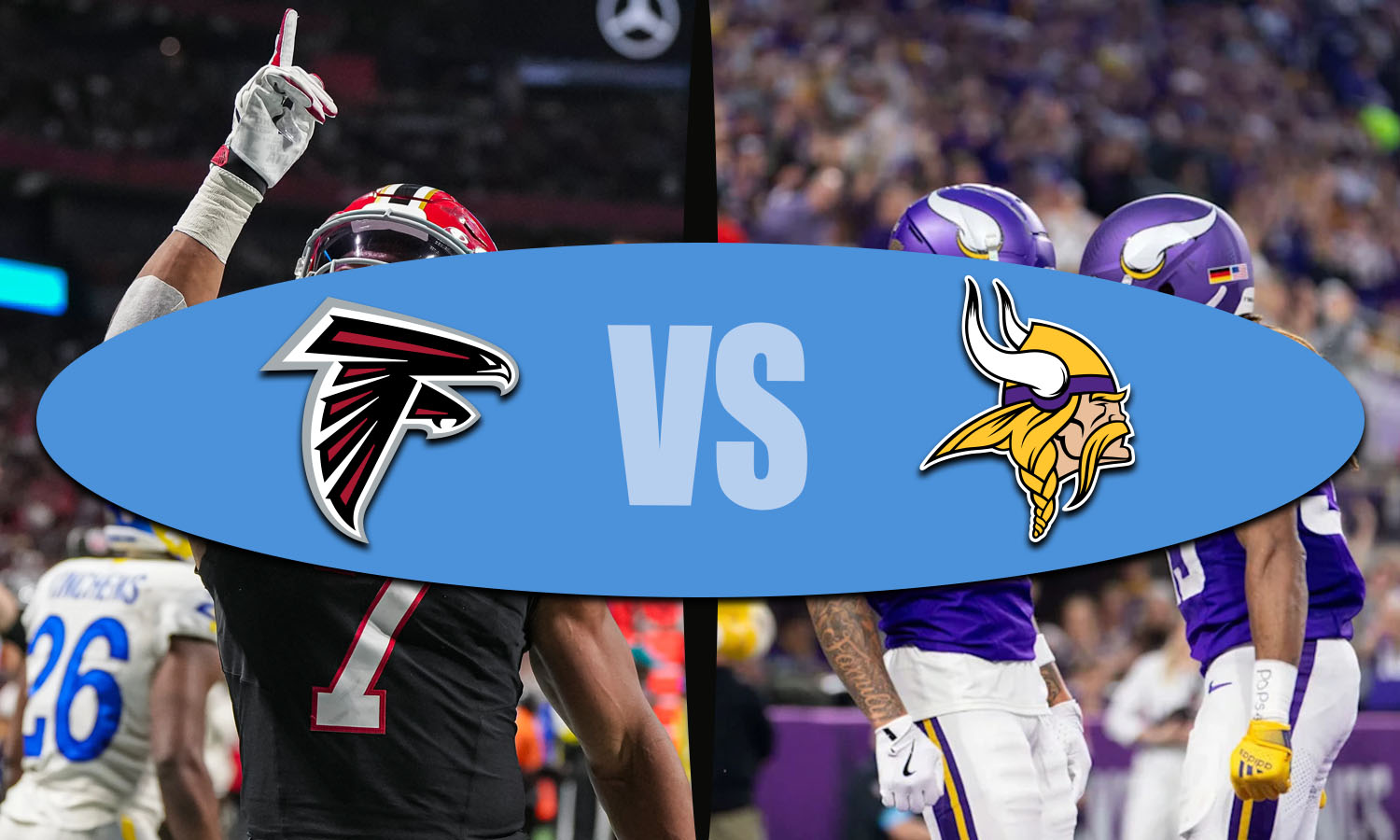

The matchup between the Atlanta Falcons and the Minnesota Vikings was a game that showed clear differences in playing style, player impact, and team strategy. This article gives a full and easy-to-read breakdown of the match player stats and key performances.
The focus is on how the game was played, which players stood out, and what the numbers tell us. The language is simple, friendly, and clear so that even casual football fans can enjoy and understand it.
Match Overview
This game was mainly about control. Atlanta focused strongly on the running game and smart defense. Minnesota tried to respond through passing plays but struggled to stay consistent.
From the first quarter, Atlanta showed a calm and patient approach. They did not rush plays and kept moving the ball step by step. Minnesota, on the other hand, had some good moments but could not turn them into enough points.
The final score reflected Atlanta’s better control of the game. But the real story is in the player stats and performances.
Atlanta Falcons: Player Stats and Performances
Strong Rushing Game
The Falcons clearly built their game plan around running the ball. Their ground attack helped them control time, reduce mistakes, and keep pressure off the quarterback.
Bijan Robinson
Bijan Robinson was the most important player in this game for Atlanta. He carried the ball many times and gained a high number of rushing yards. His running style was calm and powerful. He found gaps in the defense and pushed forward even when space was limited.
Robinson’s long runs helped Atlanta move into scoring range several times. Even when he did not score a touchdown, his runs changed the flow of the game.
Tyler Allgeier
Tyler Allgeier supported Robinson very well. He added solid rushing yards and scored a key rushing touchdown. His role was important because it kept the Vikings’ defense tired and unsure about what play was coming next.
Together, Robinson and Allgeier gave Atlanta one of its strongest rushing performances of the season.
Read Also: Dennis Quaid Net Worth: How Much Money Does the Famous Actor Have in 2025?
Passing Game: Simple but Effective
Michael Penix Jr.
Michael Penix Jr. did not throw for very high yard numbers, but he played a clean and safe game. He avoided turnovers and made short, accurate passes when needed.
His job was not to win the game alone but to support the running game. He did that well. By staying calm and focused, he allowed the offense to keep moving without big mistakes.
Receiving Targets
Drake London
Drake London was the leading wide receiver for Atlanta. He caught a few important passes that helped move the chains. His yards per catch were strong, showing that he made the most of his chances.
Kyle Pitts
Kyle Pitts played a steady role in the middle of the field. His catches were not long, but they were important. He helped Penix Jr. when short passes were needed, especially on third downs.
Special Teams Impact
Parker Romo
Kicker Parker Romo had an excellent game. He made all of his field goal attempts, including a very long one. His accuracy added many points for Atlanta and reduced pressure on the offense.
In close or defensive games, reliable kicking often makes the difference, and Romo proved that.
Falcons Defense
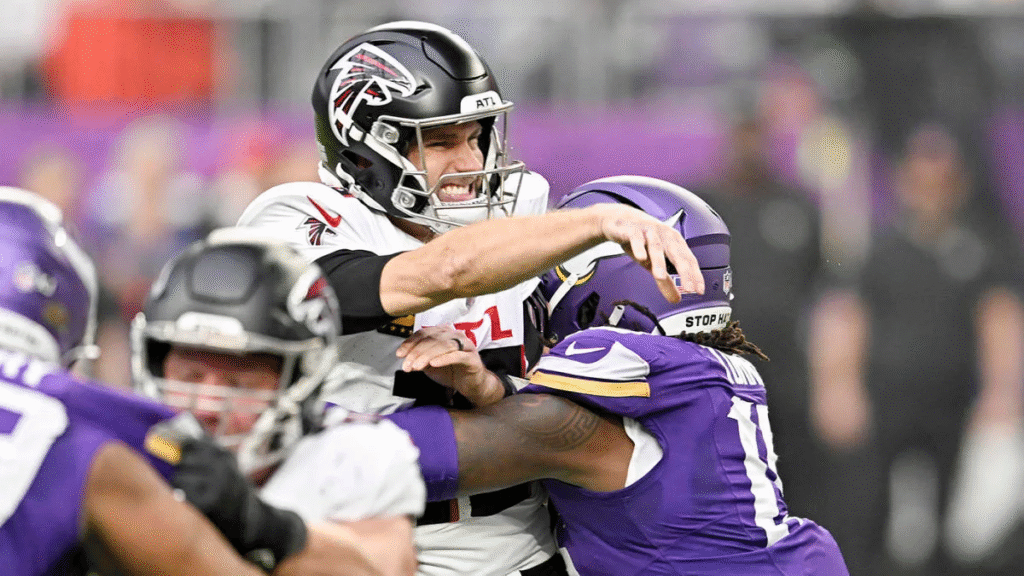
Atlanta’s defense also played a big role. They stopped the run, forced turnovers, and put strong pressure on the quarterback. Their work helped keep Minnesota’s score low.
Minnesota Vikings: Player Stats and Performances
Passing Struggles and Bright Spots
J.J. McCarthy
J.J. McCarthy had a difficult game. While he threw for a fair number of yards, he also threw interceptions. These mistakes stopped drives and gave Atlanta good field position.
McCarthy showed potential with some strong throws, but pressure from the defense made it hard for him to stay consistent.
Receiving Leaders
Justin Jefferson
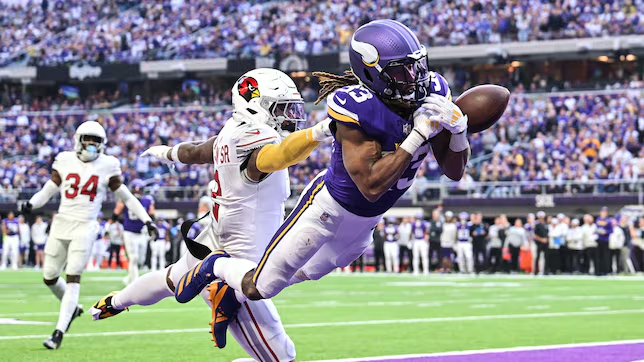
Justin Jefferson was the clear star for Minnesota. He caught a few passes but gained many yards, including some long plays. His speed and route running were clear signs of his talent.
Even though Minnesota struggled as a team, Jefferson’s performance stood out and gave fans something positive to take away.
T.J. Hockenson
T.J. Hockenson had limited chances but helped when targeted. His role was smaller in this game because the offense could not stay on the field long enough.
Rushing Game Problems
Minnesota’s rushing game did not work well.
Aaron Jones and other runners tried to gain yards, but Atlanta’s defense closed gaps quickly. Without a strong run game, Minnesota became too dependent on passing, which made their offense easier to defend.
Team Comparison: What the Stats Show
Time of Possession
Atlanta held the ball longer, mainly because of their running game. This helped control the game pace.
Total Yards
Atlanta gained more total yards, especially on the ground. Minnesota gained more passing yards in some moments but lacked balance.
Turnovers
Minnesota’s turnovers were a major problem. Atlanta protected the ball better, which often leads to winning games.
Key Takeaways from the Match
- Atlanta’s running game was the biggest strength
- Minnesota struggled without a balanced offense
- Kicking and defense played a major role
- Individual talent shined, but teamwork mattered more
Why This Match Matters
This game showed how important balance is in football. A strong running game, safe passing, and good defense can win games even without flashy plays. For Minnesota, the match highlighted areas that need improvement, especially ball control and run support.
Final Thoughts
The Atlanta Falcons vs Minnesota Vikings match was a clear example of how football games are often won by discipline, balance, and teamwork. While Minnesota had moments of individual skill, Atlanta’s overall plan worked better from start to finish.
Frequently Asked Questions (FAQ)
1. Who was the best player in the Falcons vs Vikings match?
Bijan Robinson was the best overall player due to his strong rushing performance.
2. Why did the Falcons win the game?
They controlled the game with running plays, strong defense, and accurate kicking.
3. How did Justin Jefferson perform?
Justin Jefferson played very well and led the Vikings in receiving yards.
4. Did turnovers affect the Vikings?
Yes, interceptions stopped their drives and helped Atlanta gain control.
5. Was the Falcons’ passing game strong?
It was simple and careful, not flashy, but it worked well with the run game.
6. Who scored for the Falcons?
The Falcons scored through rushing plays and multiple field goals.
7. Why was Minnesota’s rushing game weak?
Atlanta’s defense blocked running lanes and tackled quickly.
8. How important was special teams in this game?
Very important. Atlanta’s kicker added many points with field goals.
9. What can the Vikings improve after this match?
They need better ball control, fewer mistakes, and a stronger run game.
10. What does this game show about team strategy?
It shows that smart planning and balance often matter more than star power.
Read Also: Kathleen Yamachi: The Woman Who Supported Pat Morita Before He Became Famous